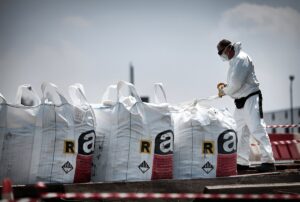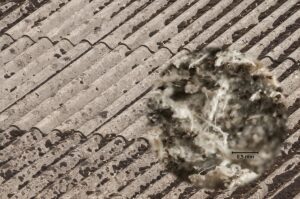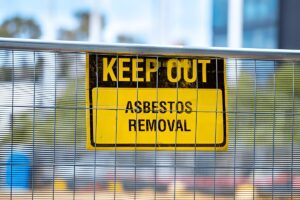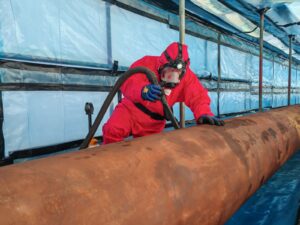
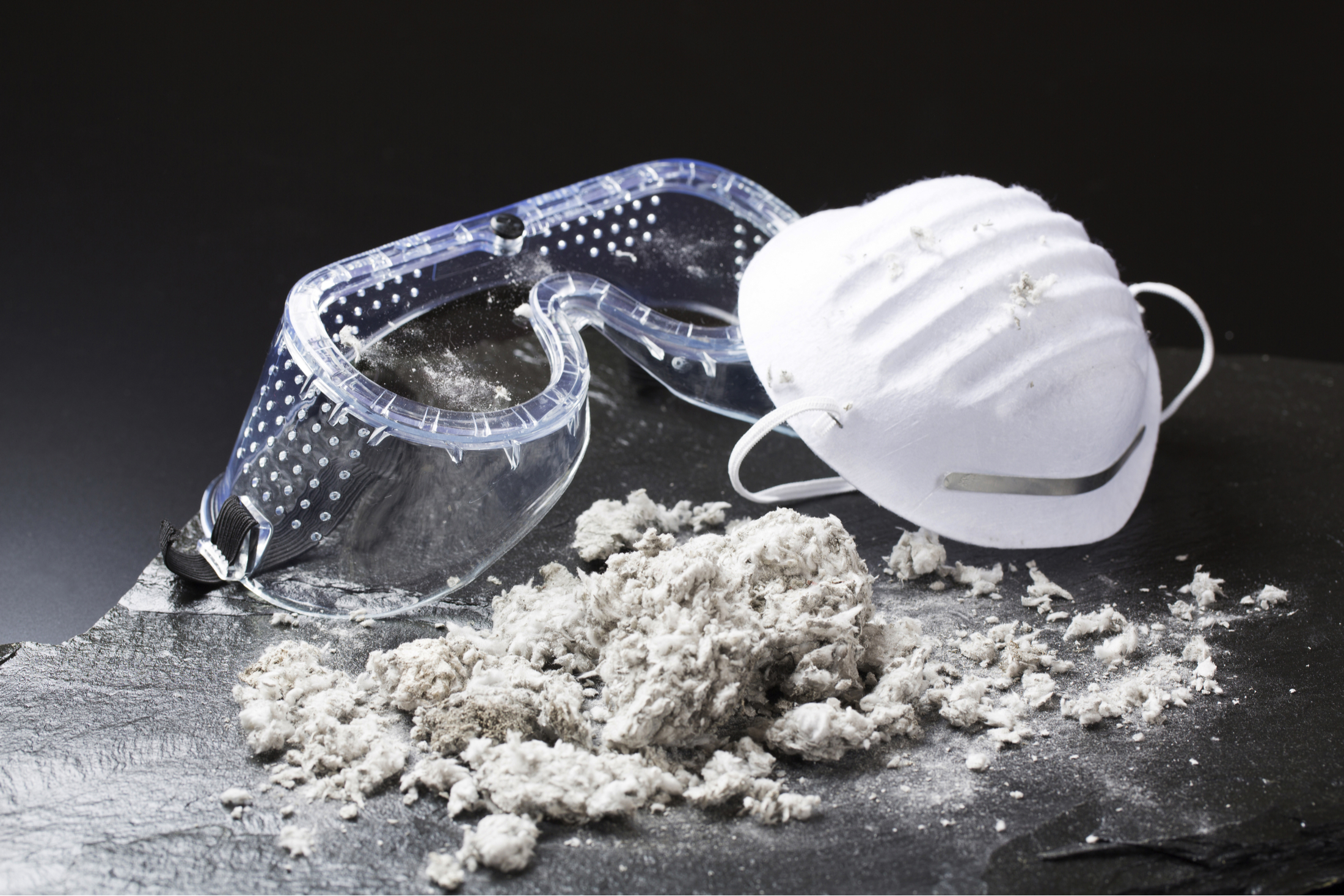
Asbestos is a group of six naturally occurring silicate minerals composed of thin microfibers and are resistant to heat, electricity, and corrosion. Due to its inherent physical properties, it is widely used in different industries such as manufacturing, construction, mining, shipbuilding, power & utility, military services etc. Despite, the wide application, asbestos has a degree of associated health-related risk, for e.g., lung cancer by inhaling asbestos fibers, mesothelioma (rare form of chest cancer and stomach lining) disease, and asbestosis. Thus, it is imperative to to hire asbestos consultants to outline the risks associated with asbestos for every operation and consider it as one of the ‘Health & Safety and ‘Waste’ related risk hazard.
Asbestos Risk
World Health Organizations and other associated international bodies have recognized the health-related impacts of asbestos, and a significant number of countries have banned its usage. The release of asbestos fiber can happen during the demolishing of old buildings or remodeling, thus releasing fibers in the air, which when inhaled, can cause multiple health problems.
Risk assessment for asbestos applications
Risk assessment is a proactive preventive approach to identify all the possible hazards that have the potential to cause harm. For sensitive materials such as asbestos, it becomes more evident to do a periodic risk assessment and review of mitigation plans in place. The organizations that are dealing with asbestos should follow a structured risk assessment approach in line with international standards (such as ISO 31000: 2018 for Risk Management integrated with ISO 45001:2018 for maintaining Occupational Health and Safety) by covering five key steps:
- Identifying asbestos source as hazard (Health Hazard due to asbestos): The risk assessors or the asbestos specialists who understand the risk should conduct a situation analysis of the workplace to identify the asbestos related hazards. The hazard can be identified through the following:
- Interview – one to one discussion with site person or employee;
- Document Review – by reviewing the governance documents and records;
- Site visit – by visiting the site to check the hazard source
The above three steps will support in proper identification of asbestos related hazard and facilitate effective risk plan or controls for limiting the risk of asbestos.
- Assess the impact of the hazard (who can be impacted and up to what extent): The risk assessor or the specialist must identify the employees/staff getting impacted by asbestos, and the extent of potential impact on the employees/staff due to the exposure to asbestos fibres. The risks related to asbestos can be ‘health and safety risk’, ‘unsafe handling or disposal of asbestos’, ‘lack of awareness regarding asbestos’ etc. thus causing major health related issues.
- Identify the mitigation or control against the asbestos impact, and take the necessary action: The risk assessors or the asbestos specialist should identify necessary controls to limit the impact of asbestos related risks on the employees getting exposed to it. The controls can implementation of best health and safety practices such as using Personal Protective Equipment (PPE) kit covering protective clothing, goggles, footwear, mask, and gloves; sprinkling the premises with water to settle the asbestos dust; enclosing the asbestos affected area; providing training for safe disposal and handling of asbestos related waste and increase employee awareness etc. All the controls identified must be actioned to limit the risk.
- Document and record the findings of the actions: The risk assessor or the asbestos specialist must document and record the overall findings regarding the hazard, hazard identification process, associated risks and controls to limit the risk of exposure to asbestos. It also outlines the necessary recommendation and action plans for emergency situation, asbestos waste disposal, and sealing and clearing the asbestos exposed area etc. The findings and recommendations should be communicated with the employees/staff regarding in the form of awareness session or trainings.
- Review the effectiveness of the mitigation measure or controls: Risk assessment and review is a continual improvement process where the controls or mitigation measures are evaluated or re-assessed to check their effectiveness. Sometimes review also outlines the recent changes in the industrial regulations, or updated guidelines, or practices to be followed inline with local or regional or international regulations. The risk assessor or the asbestos specialist must conduct the asbestos survey report and risk review to evaluate the controls and regulations against the risks identified for asbestos. Based on the effectiveness, next actions can be planned and implemented, as necessary.